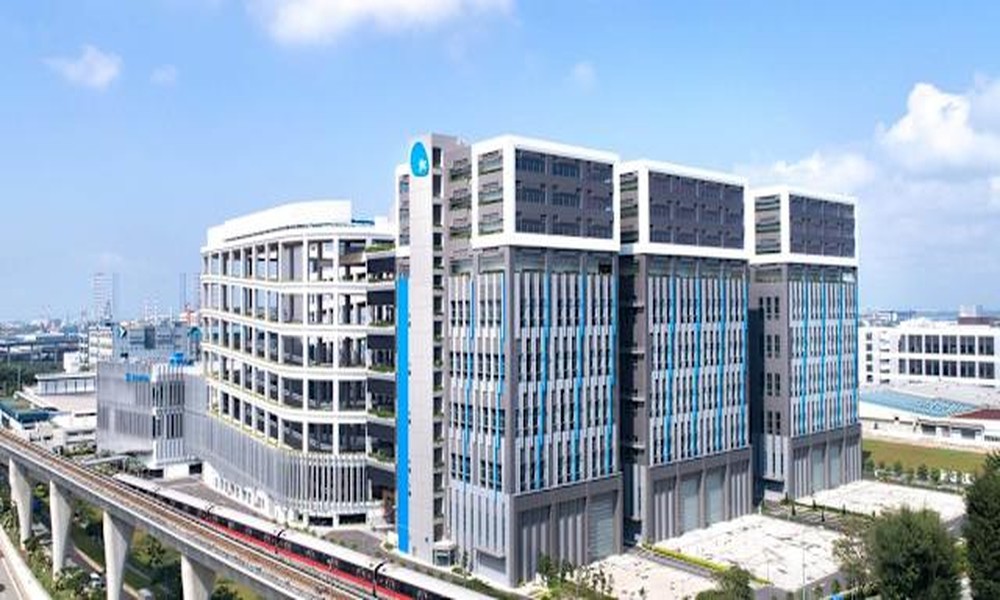
JTC factory rental in Singapore gives manufacturers, logistics operators, and industrial businesses access to purpose-built space within a managed industrial estate system that would take years and tens of millions of dollars to replicate through private development.
Understanding JTC’s Role in Singapore’s Industrial Landscape
JTC Corporation is the Singapore government’s primary industrial land developer and manager. It administers a vast portfolio of industrial land and buildings across the island, spanning flatted factories, standard factories, high-tech industrial buildings, logistics hubs, and purpose-built facilities for sectors ranging from precision engineering to food manufacturing to biomedical production.
The JTC system is not merely a real estate framework. It is an industrial policy instrument. Access to JTC space comes with land use conditions that specify permitted industrial activities, ensuring that the industrial estate remains genuinely industrial rather than being progressively converted to commercial or service uses that would not need industrial infrastructure.
For businesses seeking industrial space in Singapore, engaging with the JTC system – either through direct tenancy for new facilities or through assignment and subletting arrangements in existing buildings – is an almost unavoidable part of the process.
Types of JTC Industrial Space Available for Rental
JTC factory rental options span a range of formats suited to different operational requirements:
- Flatted factories: multi-storey buildings where individual units on specific floors are rented. Ground floor units with direct vehicle access command premium rates; upper floors suit lighter industrial activities where freight lift access is adequate.
- Standard single-storey factories: ground-level buildings with high floor-to-ceiling clearances, loading bay access, and yard space. Suited to manufacturing, assembly, and heavy logistics operations.
- Semi-detached and terrace factories: multiple factory units sharing party walls. The owner or tenant of each unit has exclusive use of their section, including the frontage and any attached yard space.
- Detached factories and JTC parks: standalone facilities within managed industrial parks, providing the most control over the building footprint, utilities configuration, and signage.
Flexibility in JTC Tenancy Structures
The flexibility available to businesses seeking industrial space through JTC depends on whether they are dealing with JTC directly or with a private landlord who holds a JTC lease:
Direct JTC tenancy: JTC leases land and some building space directly to qualifying businesses. These are typically for longer terms and involve meeting JTC’s allocation criteria regarding business activity type, investment commitment, and employment generation.
Assignment and subletting: existing JTC lessees and sub-lessees may, subject to JTC approval, assign their tenancies or sublet portions of their space to other qualifying businesses. This is where most of Singapore’s industrial rental market activity occurs.
JTC industrial space transactions in the assignment and subletting market are typically facilitated by real estate agencies and industrial property consultants who understand the approval process, the permitted use conditions, and the specific requirements of different business types.
Rental Rates and Market Conditions
Industrial rental rates for JTC space in Singapore vary significantly by location, building age, specification, and the balance of demand and supply within specific industrial clusters. Jurong East and the Tuas corridor command different rates from Ubi, Kaki Bukit, or Woodlands.
“Location, in industry as in real estate, is a decision that compounds over time.” – Lee Kuan Yew.
An industrial facility that is well-located relative to its supplier base, its customer base, and its labour catchment area reduces logistics costs and attracts qualified workers more effectively than a cheaper facility in a less accessible location.
Navigating the JTC Approval Process
Securing approval for a JTC tenancy assignment or subletting requires satisfying JTC that the incoming business meets the permitted use criteria for the specific building and zone. The process involves:
- Confirming that the proposed business activity matches the permitted industrial use category for the premises
- Providing documentation of the business’s registration, financial standing, and operational plan
- Obtaining the outgoing tenant’s cooperation for an assignment, or the head lessee’s consent for a sublet
A JTC factory tenancy consultant familiar with the JTC approval process can significantly reduce the time and uncertainty involved in securing a tenancy, particularly for businesses unfamiliar with Singapore’s industrial property framework.
What Businesses Should Assess Before Committing
Before signing a JTC factory rental agreement in Singapore, businesses should verify:
- The permitted use conditions for the premises confirm that they match the intended business activity
- The term remaining on the head lease and any restrictions on renewal
- The condition of the building’s utilities infrastructure, particularly electrical supply and water provision
- The landlord’s obligations for maintenance of common areas and the building structure
- The terms for reinstatement at the end of the tenancy
JTC factory rental in Singapore, navigated with proper guidance and due diligence, provides access to well-located, purpose-built industrial space that supports the productive operations of Singapore’s manufacturing and logistics economy.