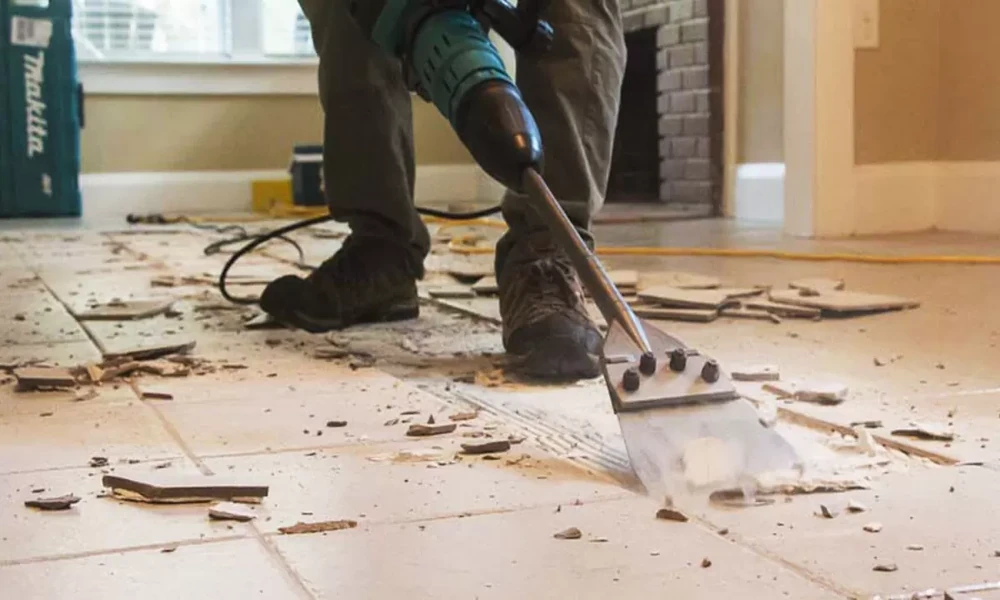
No hacking waterproofing is now the preferred method for addressing water ingress in Singapore’s residential buildings, and the preference is well-founded. The traditional alternative – hacking out tiles, removing screed, replacing a failed membrane, and rebuilding the surface from scratch – solved the waterproofing problem while creating a cascade of secondary ones. Noise restrictions in condominiums, tile sourcing difficulties, extended household disruption, and repair bills that grew beyond early estimates all came with the territory. None of that is necessary when the right injection-based method is matched to the right leak.
How the Method Achieves Lasting Results
The durability question is the one that homeowners ask most often when considering non-invasive waterproofing. If the tiles stay in place and nothing is removed, how can the repair last?
The answer lies in the materials and where they end up. Polyurethane resin injected under pressure follows the same pathways water has been using to enter the structure. It expands on contact with moisture, filling voids, cracks, and micro-gaps in the concrete and screed. Once cured, it forms a flexible seal that accommodates minor structural movement over time. Epoxy resin does the same for dry cracks, creating a rigid bond that is often stronger than the surrounding material. Crystalline waterproofing compounds penetrate the concrete body and form insoluble crystals within its capillary structure – a barrier that does not degrade in the way surface membranes eventually do.
The results of well-executed injection grouting last. Reputable waterproofing specialists typically offer five to ten-year warranties on injection-based repairs, which is comparable to conventional membrane replacement work.
The Diagnostic Step That Makes It Work
No hacking waterproofing done correctly begins with finding where the water is actually entering the structure. This is the step that determines whether the repair lasts or returns within a season.
Water in a building does not behave the way it appears to. A stain on a bedroom ceiling three metres from the bathroom may have originated in the bathroom floor. The water entered through a crack in the floor slab, travelled along a beam, and surfaced at a low point in the ceiling far from its source. Treating the ceiling without finding the entry point produces a cosmetic fix.
A proper diagnostic uses moisture meters, visual inspection of common entry points, and sometimes thermal imaging to trace the moisture path back to its origin. Only once the source is confirmed does injection work begin. This investigation step is where the quality gap between specialists is widest.
Where Non-Hacking Repair Performs Best
The range of situations where injection-based waterproofing delivers effective, lasting results includes most of the common leak scenarios in Singapore’s housing stock.
- Bathroom and toilet floor slabs where the membrane has failed after years of use
- Balcony and flat roof surfaces with hairline cracking from thermal expansion
- Planter boxes, which hold soil and moisture against concrete slabs year-round
- Construction joints between concrete pours that have opened as buildings settle
- Pipe penetration points where seals have degraded around service pipes
For inter-floor leak disputes, which are among the most common maintenance conflicts in strata buildings, a successful no-hacking repair resolves the issue without the disruption that would otherwise affect both the upper and lower units simultaneously.
Homeowners can refer to HDB guidance on floor and ceiling maintenance responsibilities for guidance on their obligations in leak situations.
As Senior Minister of State Sim Ann has noted about Singapore’s built environment, “A home is more than bricks and mortar – it is where families build their lives.” Maintaining it well, with minimal disruption, is both a practical and a personal priority.
The Economics of Not Hacking
The cost comparison between hacking and non-hacking repair depends on counting everything. The contractor quote for conventional tile-and-membrane replacement is just the starting point. Add the cost of sourcing matching tiles for a discontinued range (often impossible, usually expensive), the new screed, the extended work period under condominium noise rules, and the household disruption, and the total cost of hacking climbs well above the initial figure.
No-hacking injection repair typically costs less in total, takes fewer days to complete, and involves no tile replacement. For homeowners comparing options, the case for no hacking waterproofing becomes clear once the full cost picture is on the table.