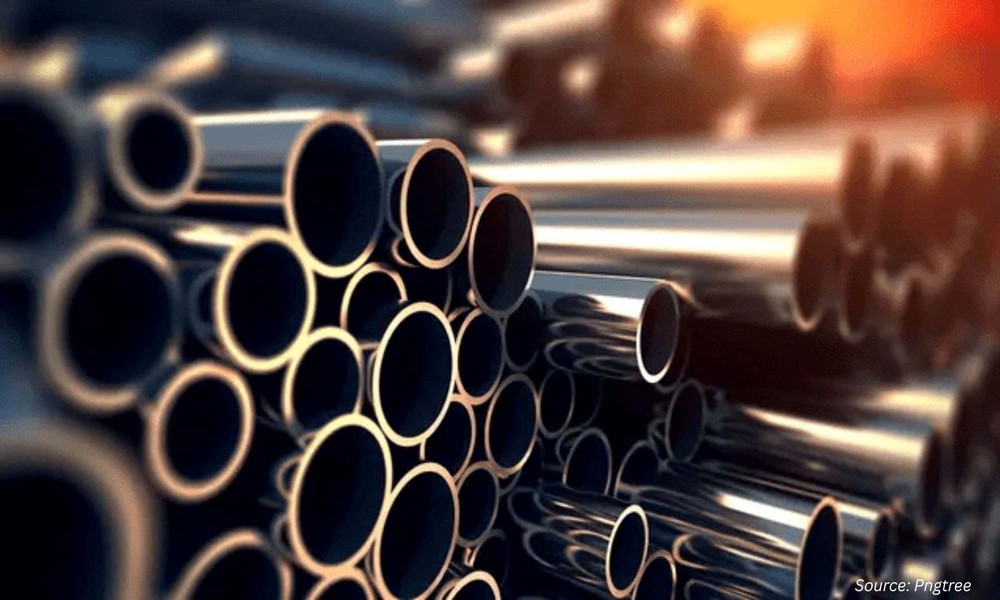
Steel is the backbone of modern infrastructure, but the way we source and supply it is evolving at a rapid pace. Surplus and used metal products are no longer just afterthoughts for cost-conscious buyers; they now play a pivotal role in the steel supply market, influencing everything from pricing to sustainability strategies.
The Role of Surplus and Used Metal Products in Today’s Steel Market
Surplus steel refers to new, excess material that was never used in its original project, while used steel consists of products salvaged from previous applications but still maintain structural viability. In a market where lead times can balloon and raw material costs are unpredictable, both surplus and used products are more than just substitutes, they are strategic resources.
Economic pressures and environmental demands have converged, making these products essential. Companies are drawn by cost savings, but also by the chance to lower their carbon footprint. As recycling rates continue to climb and circular economy principles take hold, demand for surplus and reusable steel is surging.
Advantages of Incorporating Surplus and Used Metals in Steel Supply
Embracing surplus and used metals means more than shaving costs. Buyers gain access to a wide array of steel grades, sizes, and products that might otherwise be difficult to find through traditional channels. This agility is crucial for projects with unique specifications or tight timelines.
Not only can these products be significantly cheaper, but they offer peace of mind for budget-conscious project managers without sacrificing on safety or performance. The sheer variety, pipes, plates, beams, and specialty tubing, enables contractors to match exact project needs, especially when prime steel is either unavailable or prohibitively priced.
The sustainability angle cannot be understated. Every ton of reused steel diverts material from landfills and slashes the energy required for new production. In a world with mounting pressure to minimize environmental impact, surplus and used metals have become a key piece of the puzzle.
Quality Assurance and Specifications: Navigating Risks and Standards
Naturally, the use of surplus and used metals raises questions about safety and standards. Steel is graded by composition and structural properties, so knowing the specifics, dimensions, wall thickness, and grade, is non-negotiable. Many reputable suppliers meticulously document these details and follow strict inspection protocols.
For used products, especially, rigorous evaluation is indispensable. Non-destructive testing, visual inspections, and even third-party certifications are common practices. The best distributors provide transparent records, letting buyers compare grades and quality with confidence.
This is why partnering with a trusted source such as Stealth Pipe and Steel can make all the difference. With robust inventory tracking, regular stock refreshing, and a focus on documentation, they simplify risk management for buyers.
Practical Applications and Industry Use Cases
The versatility of surplus and used metal products is evident across industries. Construction firms rely heavily on piling and micro-piling pipes to lay the groundwork for solid foundations. In infrastructure, these materials play vital roles in road boarding, tunneling, and drainage solutions, where exact specifications and reliability matter most.
Other industries capitalize on surplus steel for fencing, water wells, and customized industrial fabrications. Whether the application is structural or creative, the adaptability of these products allows for seamless integration into diverse projects.
Streamlining Procurement: How Distributors Like Stealth Pipe & Steel Facilitate Access
The modern steel market demands more than just a broad selection. Buyers are looking for efficiency, preferring one-stop suppliers who offer everything from pipes and plates to custom-sized beams. Leading distributors stand out not just for their stock, but for their suite of services: cutting, welding, threading, splicing, and coating.
Logistics also matter. With locations spanning major hubs in both the United States and Canada, top distributors reduce time and transportation costs. This regional reach ensures that buyers get what they need, when they need it, without delays.
Selling Surplus and Used Metal Products: Maximizing Value and Efficiency
The market for used and surplus steel is not just for buyers; sellers also find lucrative opportunities. With ongoing demand, competitive pricing, and streamlined logistics, including local pick-up and hassle-free transactions, the process of selling unused or decommissioned metal products has never been more efficient.
Forging long-term relationships with distributors helps both parties. Sellers secure steady outlets for their surplus, while buyers benefit from a constantly refreshed inventory.
The Future Outlook: How Surplus and Used Metals Will Shape Steel Supply Dynamics
Steel recycling and reuse are poised to grow in importance. From smarter inventory tracking systems to enhanced testing and documentation, technological innovations are making surplus and used steel even more reliable.
Policy and regulatory changes also support this trend. With governments and industries committing to greener procurement practices and circular economy models, the value of surplus and reused metals will only increase.
As the steel supply market continues to adapt, surplus and used metal products are no longer alternatives, they are integral to the future of cost-effective, resilient, and sustainable infrastructure.