Reliable structures depend on materials that can withstand regular use and changing operating conditions. Hidden flaws may weaken components without showing visible signs of damage. Therefore, ndt testing singapore plays an important role in identifying internal defects while keeping materials intact. These inspection methods help industries assess product quality before components enter service. Careful examination also supports better maintenance decisions. Understanding different inspection approaches allows businesses to reduce unexpected failures and maintain consistent production standards.
Understanding The Purpose of Inspection
Nondestructive inspection checks material conditions without causing damage or changing their original structure. This approach supports quality checks throughout production and maintenance activities.
Detecting Hidden Material Defects Early
Small cracks and internal gaps can reduce strength. Early identification helps prevent unexpected breakdowns during regular operations.
Supporting Consistent Product Quality
Regular inspection allows manufacturers to identify weak areas before products reach customers. This improves production standards and reduces unnecessary material waste.
Examining Internal Structural Conditions Carefully
Some defects remain hidden beneath outer surfaces. Special inspection tools help technicians examine internal conditions with greater accuracy.
Reducing Risks During Industrial Operations
Finding possible weaknesses before equipment use helps reduce operational risks. Timely checks also support safer working conditions.
Improving Maintenance Planning Through Inspection
Inspection findings provide useful information about material conditions. Maintenance teams can plan repairs based on actual component requirements.
Preserving Materials During Quality Assessments
Unlike destructive examination methods, these techniques maintain the original component. This allows valuable materials to remain available for further use.
Choosing Suitable Testing Methods for Materials
Different materials require different examination approaches. Selecting an appropriate method depends on thickness, composition and the type of defect being investigated.
Common inspection methods include:
- Ultrasonic Testing: Uses sound waves to identify internal flaws and measure material thickness.
- Radiographic Testing: Uses radiation to reveal internal changes within components.
- Magnetic Particle Testing: Identifies surface and near surface defects in suitable magnetic materials.
- Liquid Penetrant Testing: Reveals small surface cracks through visible inspection indications.
- Visual Testing: Examines accessible surfaces for visible damage or irregularities.
Understanding The Role of Skilled Technicians
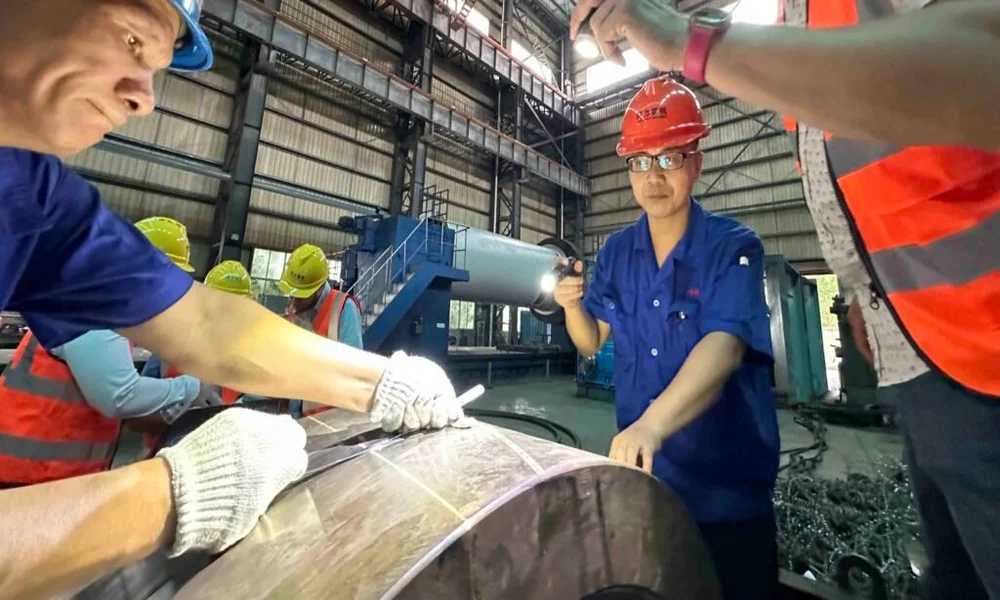
Qualified technicians must understand equipment settings and inspection procedures. Their knowledge helps ensure accurate readings and reliable assessment reports.
Maintaining Accuracy Through Proper Equipment
Inspection tools require regular checks and calibration. Proper equipment settings help reduce measurement errors and improve confidence in recorded findings.
Applying Inspection Across Industrial Processes
Industries use different examination techniques during manufacturing and routine maintenance. Professional ndt testing singapore services can help businesses select suitable procedures for their material requirements.
Reviewing Reports for Better Decisions
Inspection reports explain identified defects and their possible impact. Clear documentation helps managers decide whether components require repair or replacement.
Combining Regular Checks with Preventive Measures
Planned inspection schedules help identify changes before they become serious problems. Consistent monitoring also supports long-term equipment performance.
Building Stronger Quality Control Practices
A structured inspection programme improves material assessment at different production stages. It also helps businesses maintain dependable quality standards.
Strong quality control begins with careful examination rather than waiting for visible damage. Businesses should establish suitable inspection schedules and select methods according to material properties. Trained professionals can interpret findings and recommend appropriate corrective action. Combining regular assessments with proper documentation helps prevent avoidable failures. These practical steps support dependable operations while protecting valuable components throughout their working life.