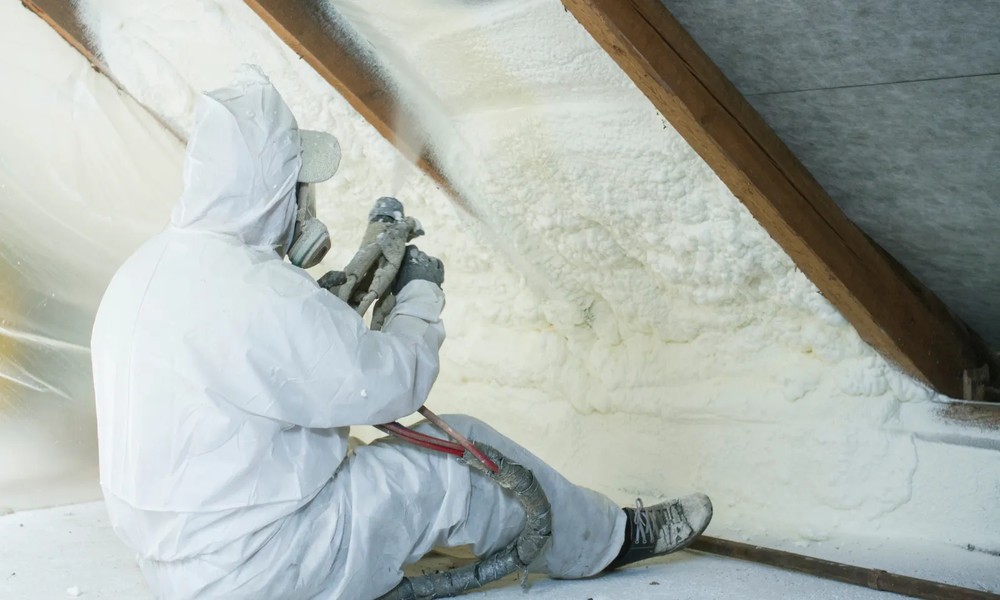
Homeowners across the United States are paying more attention to energy efficiency and indoor comfort. Rising energy costs and changing building standards are pushing people to upgrade insulation.
Spray foam insulation has become one of the most effective solutions. It not only insulates but also seals air leaks, helping homeowners reduce utility bills and improve overall living quality.
What Is Spray Foam and How Does It Work?
Spray foam is created by mixing two components-polyol and isocyanate-through specialized equipment. Once sprayed, the material expands and hardens into a solid foam layer.
This foam fills cracks, gaps, and hard-to-reach areas. Unlike traditional insulation, it creates an airtight seal, which is key to improving energy efficiency in American homes.
Why More U.S. Homeowners Choose Spray Foam
Spray foam has gained popularity because it solves multiple problems at once. It insulates, seals, and protects structures in a single application.
It is especially effective in older homes where air leaks are common. It can also meet modern energy codes for new construction and renovation projects.
Common Applications in Home Renovation
1. Wall Insulation (Interior & Exterior)
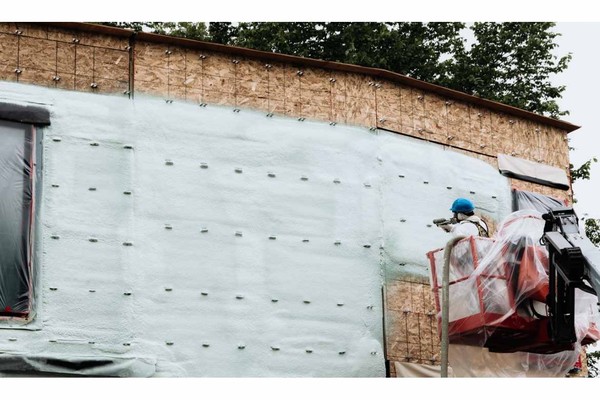
Walls are a major source of energy loss in homes. Spray foam fills cavities completely, sealing gaps that traditional insulation often misses.
This results in better temperature control and reduced heating and cooling costs throughout the year.
2. Attic and Roof Insulation
The attic is one of the most important areas for insulation. Spray foam prevents hot air in summer and cold air in winter from entering the home.
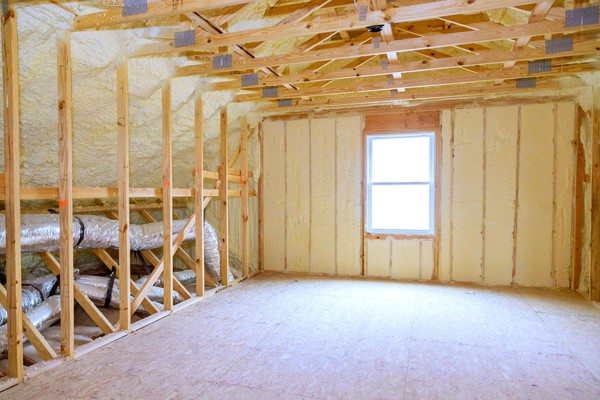
It also helps reduce moisture buildup, which can lead to mold or structural damage over time.
3. Basement and Crawl Space Sealing
Basements and crawl spaces often have moisture and air leakage issues. Spray foam seals these areas effectively, improving indoor air quality.
It also helps maintain a more stable indoor temperature and reduces humidity problems.
4. Air Sealing Around Windows, Doors, and Pipes
Small gaps may seem minor but can lead to significant energy loss. Spray foam expands to fill these openings completely.
This reduces drafts, improves comfort, and lowers energy bills over time.
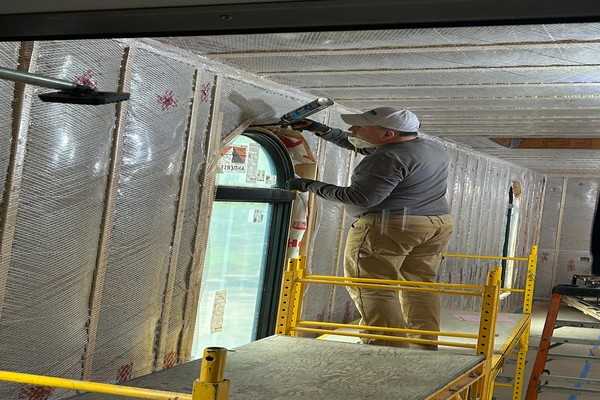
How Spray Foam Compares to Traditional Insulation
Spray Foam vs Fiberglass & Mineral Wool
|
Feature |
Spray Foam |
Fiberglass |
Mineral Wool |
|---|---|---|---|
|
Air sealing |
Excellent |
Poor |
Poor |
|
Energy efficiency |
High |
Medium |
Medium |
|
Moisture resistance |
Strong |
Weak |
Medium |
|
Lifespan |
20+ years |
10-15 years |
10-15 years |
|
Installation |
Fast |
Moderate |
Moderate |
Spray foam stands out because it combines insulation and air sealing in one step, making it more efficient in real-world applications.
Key Benefits for U.S. Homeowners
Lower Energy Bills
Spray foam can reduce heating and cooling costs by up to 20-40%. This makes it a smart investment, especially in regions with extreme temperatures.
Better Indoor Comfort
By eliminating drafts and maintaining consistent temperatures, spray foam creates a more comfortable living environment year-round.
Improved Air Quality
Spray foam reduces air infiltration, which helps keep dust, allergens, and pollutants out of the home.
Increased Home Value
Energy-efficient homes are more attractive to buyers. Spray foam insulation can improve resale value and meet modern building standards.
Long-Term Durability
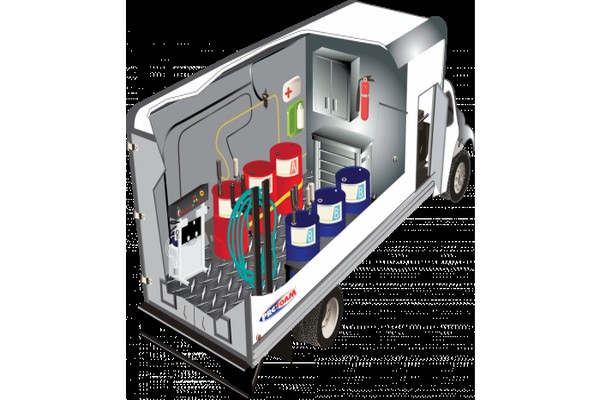
Unlike traditional insulation, spray foam does not sag or settle. It maintains its performance for decades with minimal maintenance.
The Role of Spray Equipment in Quality Results
The performance of spray foam depends heavily on the equipment used. Professional spray machines ensure accurate mixing and consistent application.
Poor equipment can lead to uneven foam, shrinkage, or weak insulation performance, which reduces long-term benefits.
Typical Equipment Performance
Spray Foam Equipment Specs
|
Parameter |
Typical Range |
|---|---|
|
Pressure |
20-36 MPa |
|
Output |
2-12 kg/min |
|
Mixing accuracy |
±1% |
|
Hose length |
50-120 ft |
|
Heating control |
Independent system |
These parameters help ensure stable foam quality and efficient application on job sites.
Choosing the Right Spray Foam System
When selecting a spray foam solution, homeowners and contractors should consider:
- Project size and climate conditions
- Type of foam (open-cell vs closed-cell)
- Equipment reliability
- Material compatibility
Working with a supplier that provides both materials and equipment helps ensure consistent results and fewer application issues.
Spray foam insulation is one of the most effective upgrades for modern homes. It improves energy efficiency, enhances comfort, and provides long-term durability.
Whether you are renovating an older home or building a new one, spray foam offers a practical and high-performance solution.
Get a Complete Spray Foam Solution
If you are planning a home insulation project or starting a spray foam business, having the right system is essential.
We provide:
- Professional spray foam machines (electric & hydraulic)
- Isocyanate and polyol materials
- Technical support and customized solutions
Contact us today to get a reliable spray foam solution tailored to your project and market.