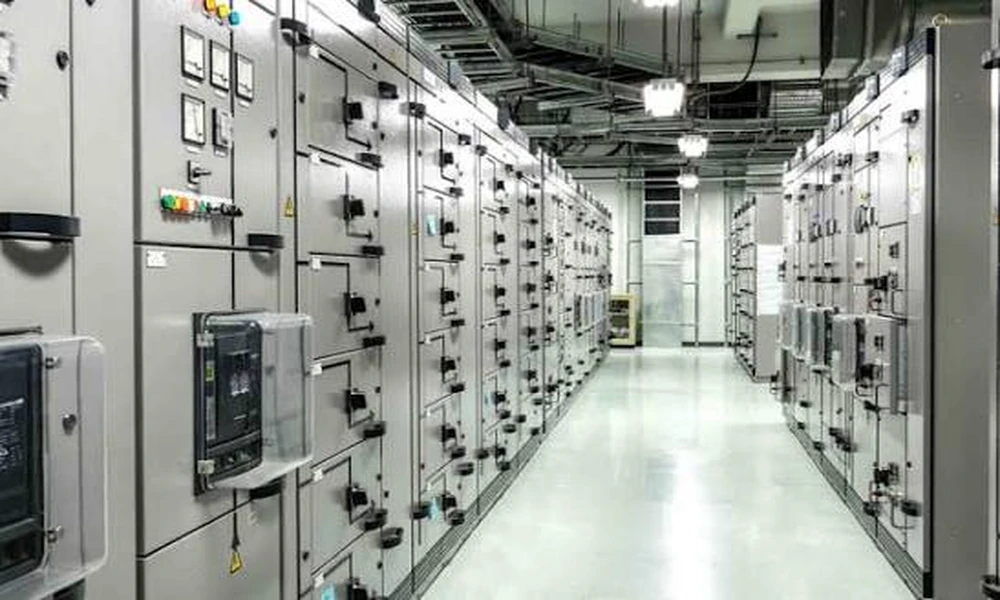
In data centres and industrial facilities, power distribution units serve the function of taking a supply from a main panel and distributing it to multiple loads in a controlled and monitored way. A high power PDU is distinguished from standard units by the current and voltage ratings it can handle, typically serving loads that draw tens of kilowatts rather than the kilowatts that suffice for office or light commercial environments.
Industrial applications – large server clusters, CNC machine lines, high-power testing equipment, and manufacturing process machinery – require power distribution infrastructure that matches the electrical demands of the loads. Standard PDUs are not rated for these currents and would fail or become fire hazards if used beyond the ratings.
Reliability as the Primary Benefit
In an industrial context, power interruption has direct consequences for production output. A machine line that stops mid-cycle may produce scrap. A server cluster that loses power mid-transaction may corrupt data. For these reasons, the reliability of high power PDUs is the primary consideration rather than cost.
High-quality industrial PDUs are built with robust internal connections, high-grade contactors and breakers, and thermal management that prevents temperature-related degradation under sustained high-load operation. The materials and construction standards used in these units exceed those of general commercial equipment, reflecting the consequences of failure in the environments where these are deployed.
Metering and Monitoring Capabilities
Modern high power PDUs often incorporate real-time metering of current, voltage, power factor, and energy consumption at the unit level or at individual outlet level. In industrial settings, this data has practical value for energy management, load balancing, and maintenance planning.
Knowing which machines or systems are drawing power above the rated levels, or which outlets are approaching trip thresholds, allows maintenance teams to intervene before a fault occurs rather than after. Energy data from PDUs can feed into broader building management systems or energy monitoring platforms, contributing to efficiency programmes and helping to identify where consumption can be reduced without affecting output.
Circuit Protection and Safety
Industrial environments present electrical hazards that standard commercial environments do not, including high fault currents, inductive loads that generate voltage spikes on switching, and the possibility of mechanical damage to cables and equipment. High power PDUs designed for industrial use incorporate circuit breakers, surge protection, and in some cases residual current devices that provide a level of protection appropriate to these hazards.
Per-outlet or per-circuit protection means that a fault on one branch does not affect other loads. In a machine line where several independent processes are drawing from a single PDU, this isolation is important for maintaining production continuity even when one process experiences an electrical fault.
- Periodic inspection of terminals and connections for signs of overheating or corrosion
- Cleaning of ventilation openings to prevent thermal buildup
- Verification that circuit breakers trip at rated current
- Scheduled replacement of internal contactors at manufacturer-specified intervals
Remote Access and Control Features
Many industrial PDUs now offer network connectivity that allows remote monitoring and control of individual outlets. The ability to switch individual outlets on or off remotely, to check current draw without being physically present at the PDU, and to receive alerts when parameters exceed thresholds reduces the time spent on routine checks and enables faster response to abnormal conditions.
Remote outlet control is particularly useful in facilities where equipment is distributed across a large floor area or where access to a specific PDU requires following safety protocols such as lockout/tagout procedures. Performing a controlled restart of a single circuit remotely rather than physically accessing the PDU reduces exposure and saves time.
Scalability and Installation Flexibility
Industrial facilities change over time as production lines are reconfigured, new equipment is added, or processes are expanded. High power PDUs with modular outlet configurations or the ability to add monitoring modules allow the power distribution infrastructure to adapt to changing requirements without full replacement.
Form factor flexibility – rack-mounted, wall-mounted, or floor-standing configurations – allows PDUs to be integrated into existing infrastructure layouts rather than requiring changes to the facility to accommodate the PDU. This adaptability reduces the cost and disruption associated with electrical infrastructure upgrades and supports facilities management goals of maintaining operational continuity during change.
Maintenance and Lifecycle Considerations
High power PDUs in industrial settings operate under conditions that accelerate wear compared to commercial environments. Vibration, temperature cycling, contamination, and sustained high-current draw all affect the longevity of internal components. Selecting units built to industrial standards, with components rated for the actual operating conditions rather than nominal laboratory conditions, extends service life and reduces the frequency of replacement. Choosing reliable products from experienced electrical components manufacturers can also help ensure that the units meet the required performance and durability standards.
Preventive maintenance for high power PDUs typically includes periodic inspection of connections and terminal points for signs of overheating or corrosion, cleaning of ventilation openings, and verification that circuit breakers trip at the rated current. Many facilities include PDU inspection as part of broader electrical infrastructure maintenance schedules.
The total cost of ownership of a high power PDU includes the initial purchase price, installation costs, maintenance over the operational life, and eventual replacement. Units with longer rated service lives and lower maintenance requirements may have higher initial costs but lower total costs over a ten-year operational period. Comparing total cost of ownership across alternatives rather than purchase price alone gives a more complete picture of the economics of different product options.