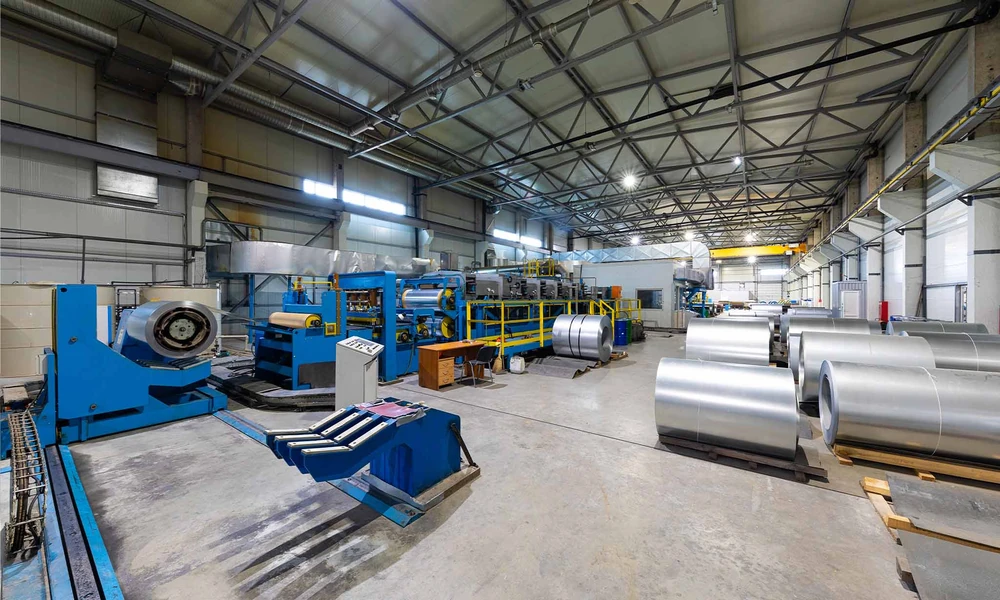
Industrial metal recycling is important for responsible usage of resources. In manufacturing, there is often waste in the form of unused materials from manufacturing, equipment maintenance, fabrication, and processing. The identification of recyclable metals and their organization for recovery constitute a measure of waste reduction and better utilization of valuable industrial resources that can be taken by companies.
1. Identifying Recyclable Industrial Materials
Many industrial processes generate metal residues which could be recycled. They may consist of off product, off-cut, un-used components, and unused production materials. Determining what they are made from and how they are in is a crucial first step to determining appropriate recovery options.
Molybdenum scrap can be from specialty components, metalworking processes and industrial manufacturing processes, for example. By separating molybdenum-bearing materials from other metals, recycling specialists can then analyze the materials to determine its composition and what value it may have for recycling. Correct identification also can lead to improved handling and storage procedures.
2. Understanding Material Requirements for Industrial Supply
Effective material management means comprehending the various usage of the metals in their different forms in the manufacturing process. The first factor to take into account in arranging a business supply of industrial materials is its production technique, the way in which it is to be stored, the specifications of the material and the time of year during which it is to be ordered.
Depending on the use, Molybdenum pellets can be considered for processes which demand this material form. The purity, size, composition and other technical specifications must be confirmed before ordering. Specifications are used to ensure that provided materials are appropriate for the industrial process.
3. Organizing Metal Collection
A structured collection system is an effective tool to support businesses in the effective management of recyclable materials. Companies can create storage spaces for various types of metals and label containers by the kind of metal. This will help to minimise contamination risk and facilitate recycling material identification for future recycling assessments.
Staff should also be aware of the need to separate different metals. When materials of different types are combined, sorting may be more difficult and the recyclers may be confused when processing a metal batch. Keeping simple records on material type, quantity and source can provide further assistance in inventory control.
4. Supporting Resource Efficiency
Industrial recycling can help to use resources in a more responsible way by redirecting appropriate metal materials towards recycling. To ensure businesses can regularly check their waste streams for materials that can be recycled.
When dealing with a specialty metals recycler, companies can learn about the material acceptance criteria and recovery opportunities. Businesses must first check with the callers if packaging, transport, documentation and material preparation are necessary before arranging for their collection.
Organized collection, correct material identification and prudent purchasing can contribute to an improvement in resource management strategies by the manufacturers. By adopting a systematic and comprehensive strategy for industrial metal recycling, this approach can help minimize waste generation, optimize the use of resources, and promote sustainable management of valuable materials.